

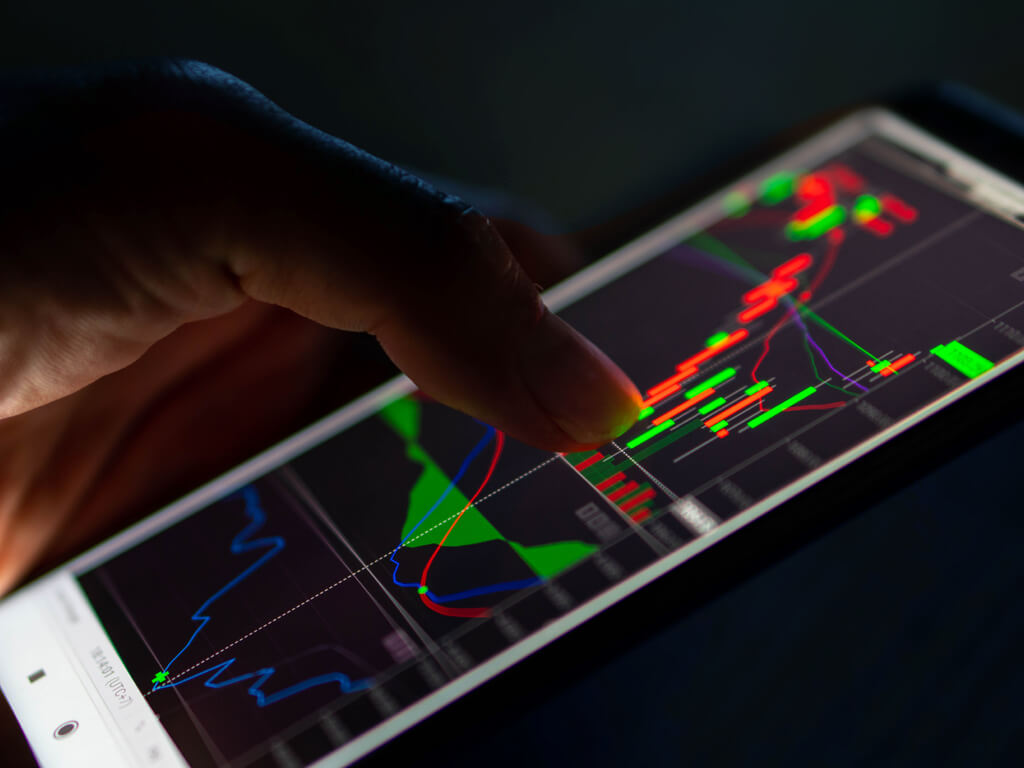

In the world of trading, where market conditions can shift rapidly and uncertainty is a constant, proprietary traders, or prop traders, face unique challenges. Unlike individual traders who operate with their own capital, prop traders have access to larger resources, allowing them to make bolder decisions with greater flexibility. However, this advantage comes with an increased level of responsibility, as their decisions directly impact the financial outcomes of the firm they represent.
Proprietary trading involves using a firm’s funds to buy and sell assets in financial markets. As the market becomes increasingly volatile, a trader’s ability to manage that volatility becomes a critical factor in determining their success. In this environment, prop traders must not only identify profitable opportunities but also carefully manage the risks associated with each trade.
This article focuses on the key strategies prop traders use to navigate market volatility and ensure their success. While the path to success in prop trading is not without its obstacles, those who master these tactics gain a significant edge over those who trade without a clear strategy. Through disciplined approaches and the use of advanced tools, prop traders can handle the market’s ups and downs and generate consistent profits over the long term.
The goal is clear: generate profits by leveraging deep market analysis, risk management strategies, and advanced techniques. Here are the five key tactics prop traders employ to successfully navigate market volatility:
1. Advanced Risk Management Strategies
At the heart of successful prop trading lies risk management. In volatile markets, the ability to limit losses and protect capital is crucial. Prop traders are experts in using a range of tools like stop-loss orders, position sizing, and risk-reward ratios to keep their trades within a manageable risk threshold. This means they can weather turbulent market conditions without jeopardising their capital. Proper risk management enables traders to take calculated risks and protect their bottom line even when the market swings dramatically.
Moreover, prop traders are skilled at continuously assessing their exposure to risk, adjusting positions as necessary to stay within their firm’s risk tolerance. By maintaining a disciplined approach to risk, they can avoid the emotional impulses that often lead to poor decision-making during periods of high volatility. This proactive mindset ensures that traders not only survive in volatile markets but also thrive.
2. Market Sentiment Analysis and Real-Time Data
Prop traders rely on market sentiment analysis to make informed decisions in volatile conditions. By closely monitoring real-time data, news, and trends (such as those outlined in our 2025 market outlook), they can anticipate market shifts and adjust their strategies accordingly.
- Real-time data: Access to premium platforms that provide live updates helps prop traders stay ahead of the curve.
- Market signals: Identifying key trends, news events, and price movements enables traders to predict potential breakouts or reversals.
- Anticipating opportunities: With real-time information, prop traders can capitalise on opportunities faster than competitors, enhancing profitability.
3. Technical Analysis for Precision and Timing
Technical analysis is an indispensable tool for prop traders, especially in the face of volatile markets. By examining historical price data, volume trends, and various chart patterns, traders can gain valuable insights into potential future price movements. This approach helps identify support and resistance levels, which are key points where prices are likely to reverse or break out. With such information, prop traders can make more informed decisions, entering and exiting trades with precision to maximise profits and minimise risk.
Prop traders rely on a wide range of technical indicators, such as moving averages, Relative Strength Index (RSI), and Bollinger Bands, to fine-tune their trading strategies. Moving averages help smooth out price action, identifying the overall trend, while RSI measures the strength of a trend, indicating overbought or oversold conditions. Bollinger Bands provide insights into market volatility, helping traders spot potential breakout opportunities. By combining these tools, prop traders can refine their strategies and time their trades more effectively.
What sets prop traders apart is their ability to make decisions based on data rather than relying on gut feelings or emotional reactions. In volatile markets, where sentiment can shift quickly, this approach is essential. By following a technical framework, prop traders avoid impulsive decisions that could lead to significant losses. This disciplined, systematic approach helps them stay consistent and successful, even in unpredictable conditions.
4. Diversification Across Multiple Asset Classes
A successful prop trading strategy often involves diversifying risk across multiple asset classes. Prop traders don’t restrict themselves to a single market or asset type; they actively trade in stocks, futures, options, forex, and commodities. This approach enables them to spread risk and reduce the impact of volatility in any one asset, a principle explored in depth in our guide to strategic diversification. For instance, while the stock market might be experiencing a downturn, a prop trader can take advantage of potential gains in commodities or forex. This level of flexibility gives them a significant edge in unpredictable market environments.
- Risk reduction: Trading across multiple asset classes helps prop traders reduce exposure to risk from any single market.
- Capitalising on diverse markets: While one asset class may be declining, others may present profitable opportunities.
- Hedging opportunities: Diversification allows traders to hedge their positions, providing a buffer against potential losses in volatile conditions.
- Increased flexibility: Prop traders can shift between asset classes as market conditions change, enabling them to stay nimble and adaptable.
5. Psychological Discipline and Emotional Control
One of the most critical yet often overlooked aspects of navigating market volatility is psychological discipline. Prop traders must maintain strong emotional control to prevent impulsive decisions during times of market stress. Emotional reactions, such as fear and greed, can cloud judgment and lead to significant losses, especially in volatile environments.
Successful prop traders understand that market volatility is inevitable and part of the trading process. By remaining calm and sticking to their strategies, they avoid making knee-jerk reactions that could jeopardise their success.
- Emotional control: Prop traders must manage emotions like fear and greed to make clear, rational decisions.
- Sticking to the plan: Maintaining a disciplined mindset and following a set strategy helps prevent impulsive decisions.
- Resilience in volatility: The ability to stay calm during volatile market conditions is essential for long-term success in prop trading.
In the high-stakes world of proprietary trading, where market volatility is a constant, mastering key strategies is essential for long-term success. The five tactics outlined—advanced risk management, market sentiment analysis, technical analysis, diversification, and psychological discipline—serve as the foundation for prop traders to thrive amidst uncertainty. These traders don’t just survive the market’s fluctuations; they harness them to their advantage, executing well-informed, data-driven strategies that lead to consistent profits.
The ability to stay disciplined, adapt to rapidly changing market conditions, and make informed decisions is what sets successful prop traders apart from the rest. By embracing these tactics, traders can effectively manage risk, capitalise on opportunities across various asset classes, and maintain emotional control in the face of pressure. It is this combination of technical knowledge, strategic thinking, and psychological fortitude that ultimately separates high-performing prop traders from those who fail to navigate the challenges of the market.
In conclusion, prop trading is not for the faint of heart, but with the right strategies, it offers unparalleled opportunities for success. Traders who can master the techniques mentioned here position themselves for long-term growth and stability, regardless of the volatility that defines the market. With discipline, a clear plan, and a keen understanding of market forces, prop traders can continue to succeed in an environment where others may falter.
Are you ready to begin your journey into prop trading? Visit our website at https://atmosfunded.com/ or reach out to us at [email protected] for more information and resources on the world of prop trading.